Dynamic EMS Tackles the Subject of
Surface-Mount Connector Issues
By Lewis Adie, Engineer Manager
This article will look at surface-mount (SMT) connectors, and some of the problems they can introduce for a manufacture. It will also provide a short case study of how one real-world issue was resolved.
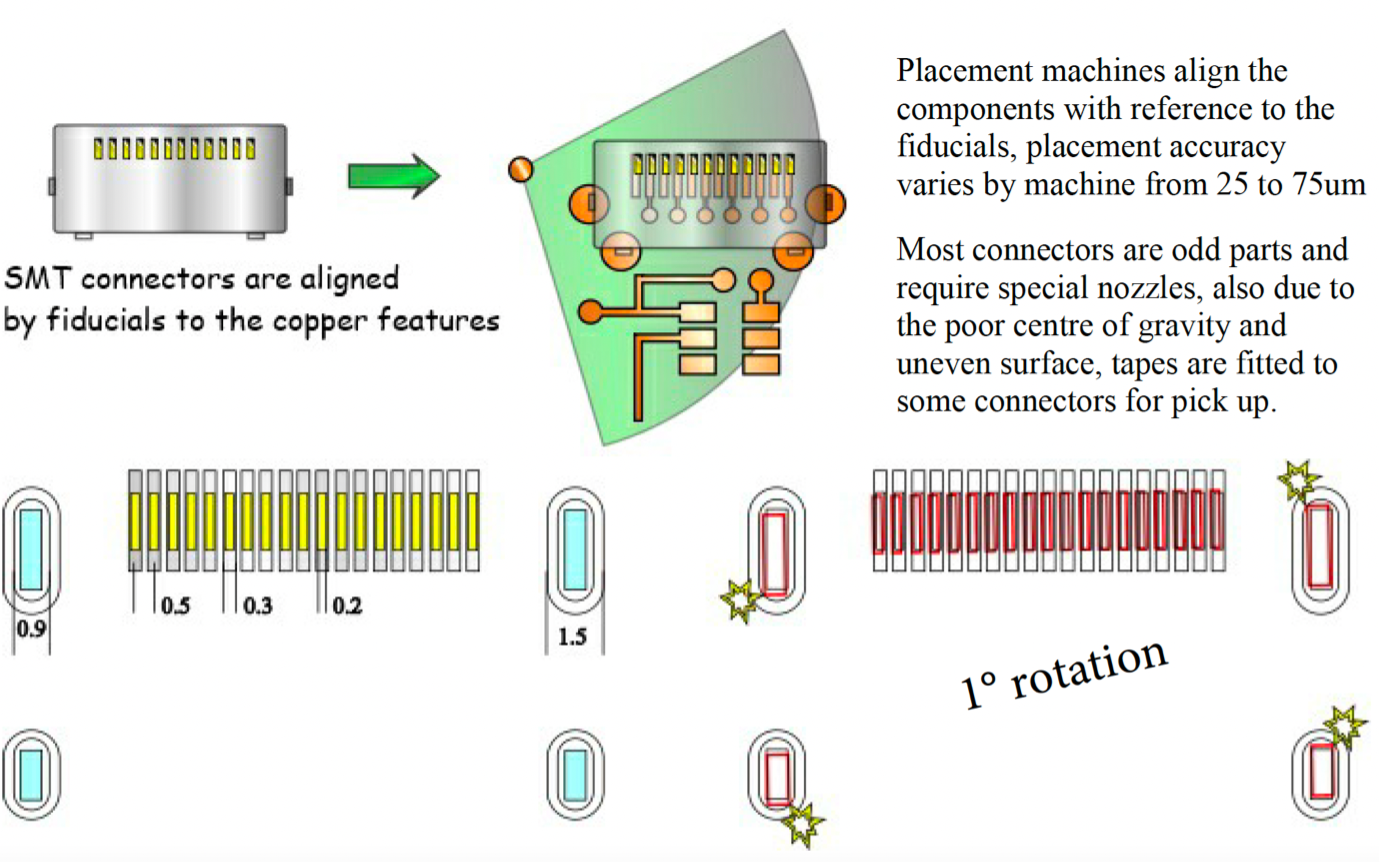
Connectors are widely used in electronics and come in all shapes and sizes. Because of that irregularity, they normally require special placement nozzles. Further, due to their poor centre of gravity and uneven surface, tapes are often fitted to some connectors for placement. Surface-mount (SMT) connectors introduce even more challenges for the manufacturer.
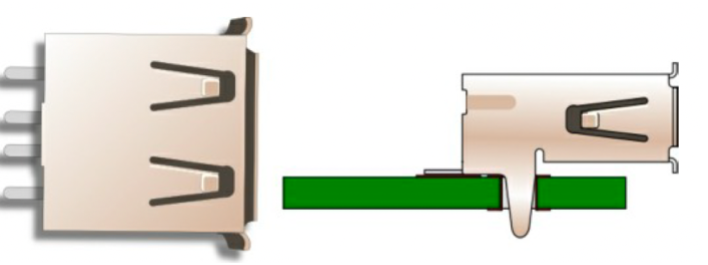
In most cases this does not present too much of a problem for manufacturing, but when it does it can be a major headache. These types of faults tend to be batch related, so many failures come at once.
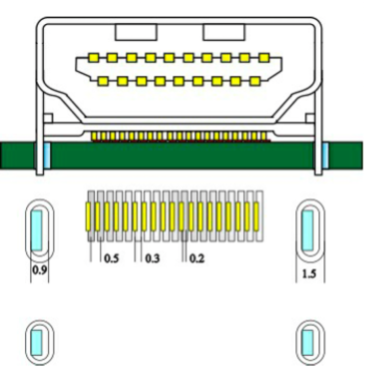
As mentioned above, SMT connectors, like USB and HDMI, are usually a marriage of two separate component types, surface mount and through-hole. These two types of technology are fabricated completely differently, and that can cause their alignments to be sufficiently offset to clash and produce short circuits.
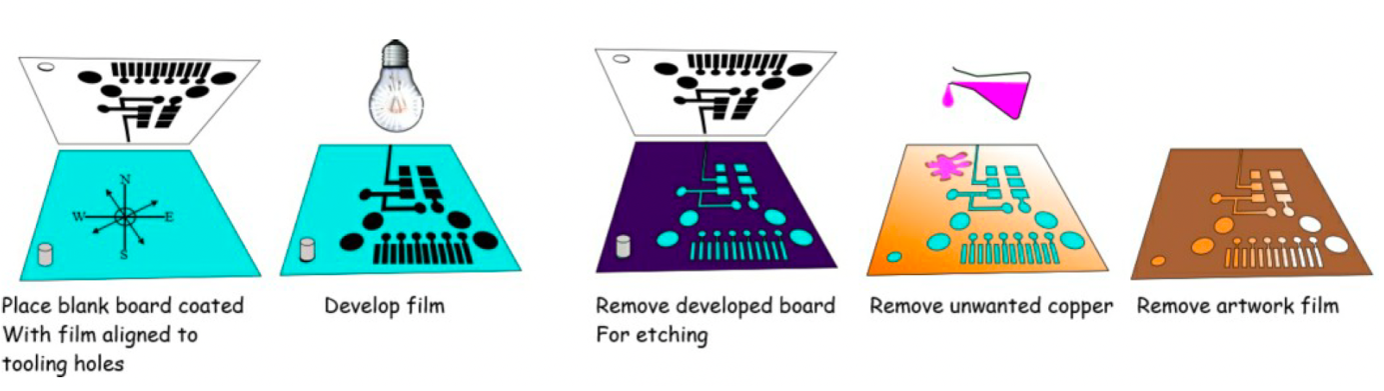
Copper features on the PCB are produced by a photomechanical process, where artwork is aligned by tooling holes over a photo sensitive film on the board. Depending on how the artwork alignment and the board alignment combine dictates the direction of the tolerance. Of course, the pattern alignment can vary from board manufacturer to manufacturer, and even batch to batch within the same manufacturer.
Drilled holes can be offset in any direction, and drill-to-drill drift may also vary. Copper features can also be offset in any direction. Any tolerance build-up, combined with the component placement alignment tolerances can interfere with the connector leads as they enter the hole, causing the connector to jump out of alignment.
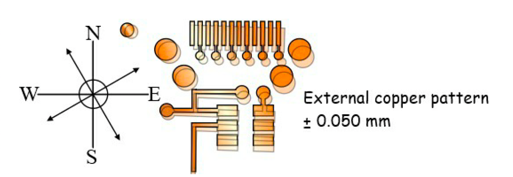
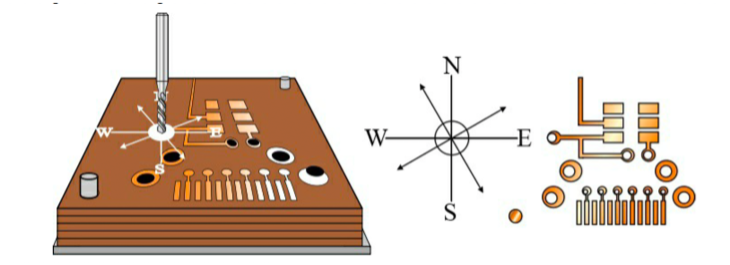
On one occasion, Dynamic EMS was working on a design using an SMD HDMI connector for a customer, which produced a lot of faults. To try to resolve the situation, the engineers at Dynamic EMS tried aligning the component with the drilled hole tolerance drift by adjusting the placement machine to accommodate the drift direction. It was a short-term fix, and in the longer term, the company would have increased the hole size.
Although the short-term fix should have solved that problem, a further batch of boards were also found with short circuits on the connector. When the Dynamic EMS engineers looked for the problem, they found that the ho
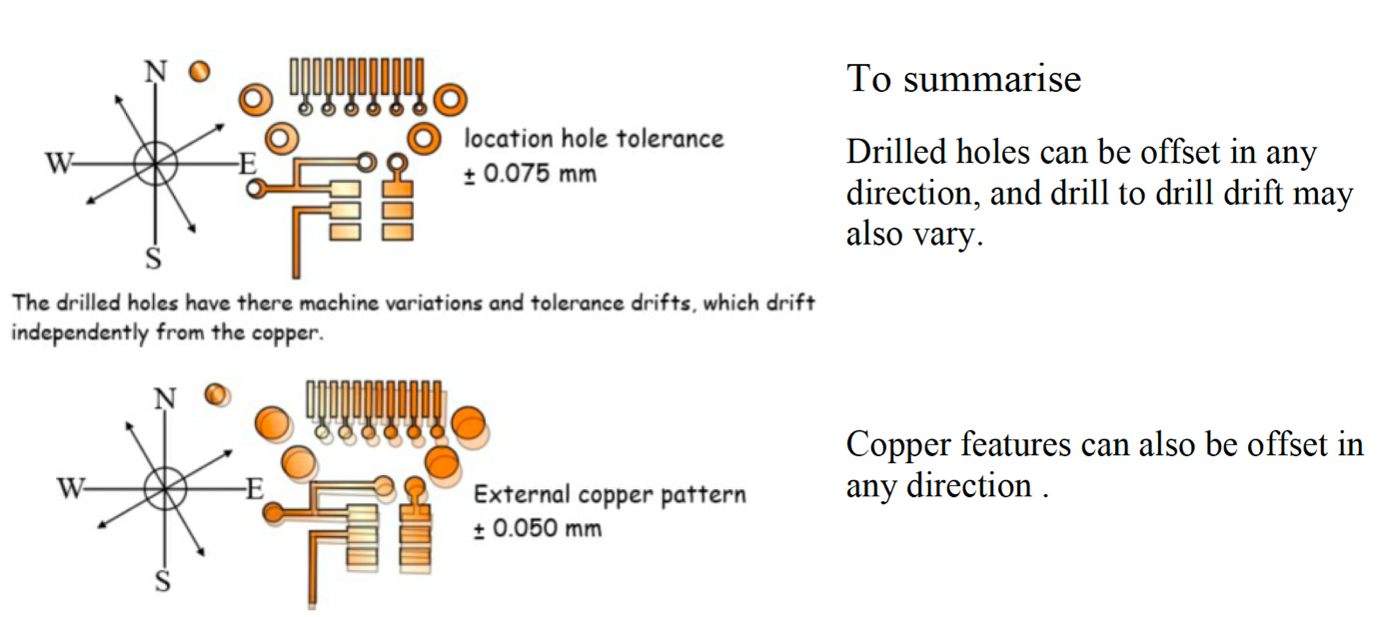
le to copper alignment was excellent. However, upon further investigation, they discovered that some boards had nodules in the left-hand side of the hole. The nodules misaligned the HDMI connector body to one side, producing a slight rotation shorting the pins. The component placement was then offset to the side to resolve the issue.
About Dynamic EMS
At Dynamic
EMS, we understand that no two-electronic equipment manufacturing customers are the same. Their products, their supply chains, and their markets all differ, which is why Dynamic EMS offers tailor-made, customised electronics manufacturing services to customers with complex, highly diversified business.
From design to distribution, we enable our customers to be more competitive by bringing innovative solutions to market faster, with a commitment to quality in everything we do. Dynamic EMS: Your Product Solutions Architect.
Enabling Market Solutions for all technology companies.
Find out more about Dynamic, www.dynamic-ems.com.
Follow us on LinkedIn, Twitter and YouTube.